

Why windows leak in the autumn storms on the Costa Blanca
It hardly rains for months, then an autumn storm drives water against the façade and it comes in around the window. Most of these leaks have a simple cause you can check.
We speak English. Eduardo answers on WhatsApp, 9:00–20:00 Spain time (8:00–19:00 UK time), and replies within 24 hours.
Last reviewed: 26 September 2026
Most leaks in the autumn storms do not come through the window itself. They come through blocked drainage slots, tired seals, a poor sill, or a badly sealed joint between frame and wall. On the Costa Blanca, rain is scarce but often arrives in heavy bursts driven by wind.
Where the water gets in, and what to check
| Leak point | Typical sign | What to check |
|---|---|---|
| Drainage slots | Water inside at the bottom of the frame, during or just after the storm. | The small slots on the outside bottom of the frame. Are they blocked with dust, soil or sand? |
| Seals (gaskets) | Water or draughts along the sash when the wind blows. | Are the rubber seals hard, cracked or flattened? Does the sash close tightly? |
| Window sill | Damp under the window, on the inside wall or below the sill. | Does the sill slope outwards, and does it have a drip edge underneath? |
| Joint between frame and wall | Water at the side or top of the opening, not through the frame. | Is the outer sealant cracked? Is the joint sealed only with foam and silicone? |
| Terrace threshold | Water entering under a terrace door or sliding door. | Does the terrace slope away from the door? Is there a drainage channel? |
| Tilted sash | Rain coming straight into the room. | Was a sash left tilted open while nobody was at home? |
Rain is scarce here, but it comes in bursts
The AEMET station in Alicante records about 311 mm of rain a year. September and October together bring about a third of it, according to the 1981–2010 normals.
Spanish forecasters call the storm system behind many of these downpours a DANA (an isolated upper-level low). Many people still call it gota fría, a popular term for heavy autumn rain on the Mediterranean.
The problem is not the total rain. It is rain that falls hard in a short time, pushed by wind against the façade. On a high floor facing the sea, the whole frame gets wet, not only the sill.
That is the day you find out which windows are watertight. A window that stayed dry all year can leak in one afternoon.
Blocked drainage slots: the most common cause
The bottom of the frame has small drainage slots on the outside. Some water always enters the frame in wind-driven rain. That is expected, and the slots let it out.
If dust, soil from plant pots or sand block them, the water stays inside the profile. It then finds its way into the room, and looks like a window leak.
Check and clear the slots once a year, in late summer, before the storms. If the slots have covers, remove them and check underneath.
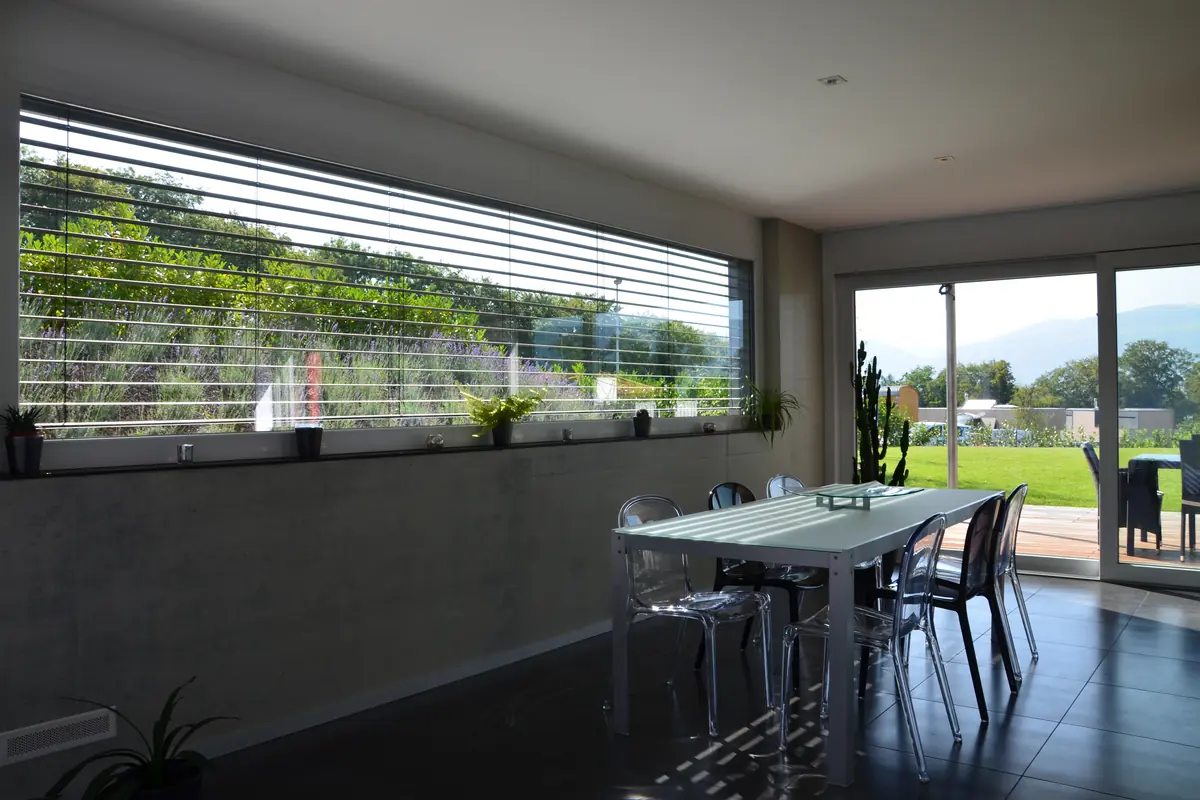
The joint between frame and wall
Many leaks do not come from the window itself. They come from the joint between the window and the wall.
Good sealing is not one material. It is three barriers, each with its own job:
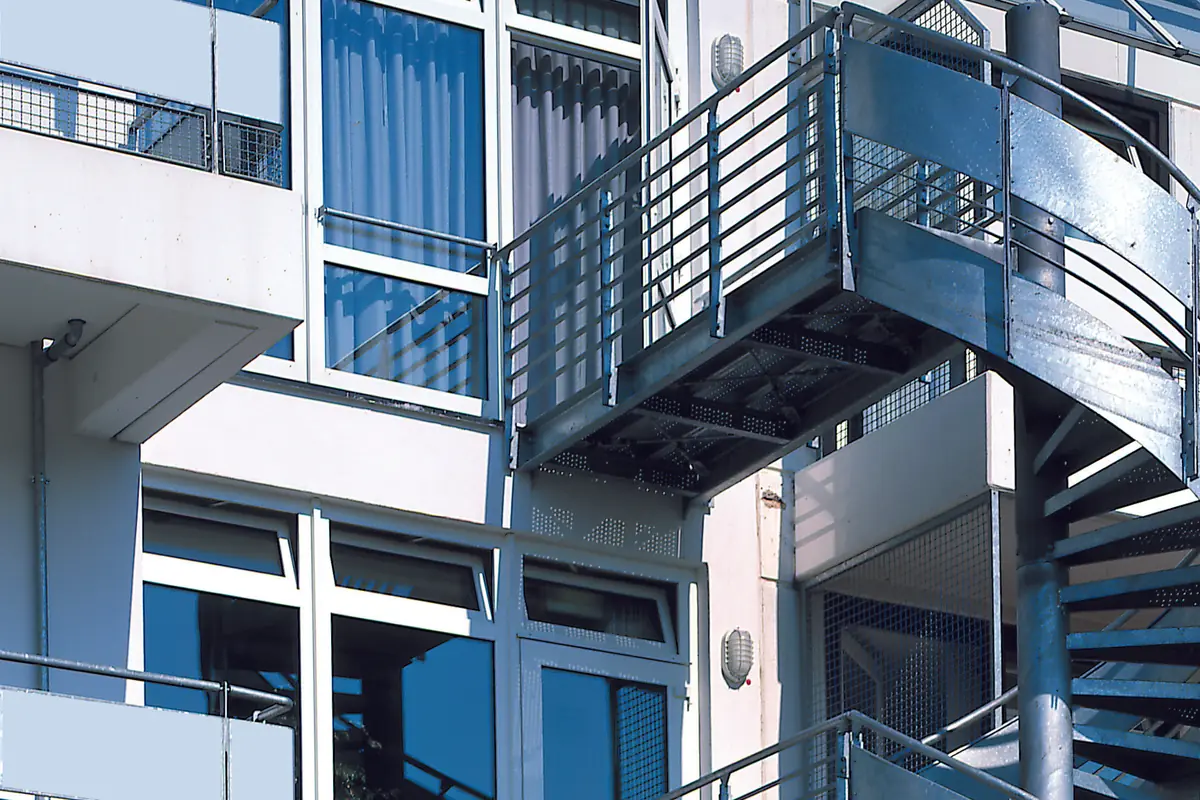
Triple-barrier sealing
- 1
Inside: airtight and vapour-tight
Stops indoor moisture entering the joint and condensing there. It also stops cooled air escaping around the frame.
- 2
Middle: insulation
Fills the gap between frame and wall, so the joint does not become a cold line around the window.
- 3
Outside: watertight but breathable
Stops wind-driven rain, but lets out any moisture that got in, instead of trapping it.
Foam and silicone is not a seal
Filling the joint with expanding foam and adding a line of silicone outside is a common shortcut. It often leads to leaks after two or three years.
Foam is neither watertight nor vapour-tight, and it absorbs moisture. Outside silicone cracks sooner in strong sun.
If nobody mentions separate barriers during the visit, ask about them.
Seals, sills and the central seal
Rubber seals harden and flatten over the years, especially in strong sun. Clean them and check that they are still soft. A seal that stays pressed flat all winter may not recover.
A sill should slope outwards and have a drip edge underneath, so water falls clear of the wall. A flat sill sends water back to the wall under the window.
Most windows close with two seals. A system with a central seal adds a third one in the middle of the profile. Water that passes the first barrier meets a second one and drains out.
We suggest it on high floors and on façades facing the sea or the easterly wind. See our uPVC windows.
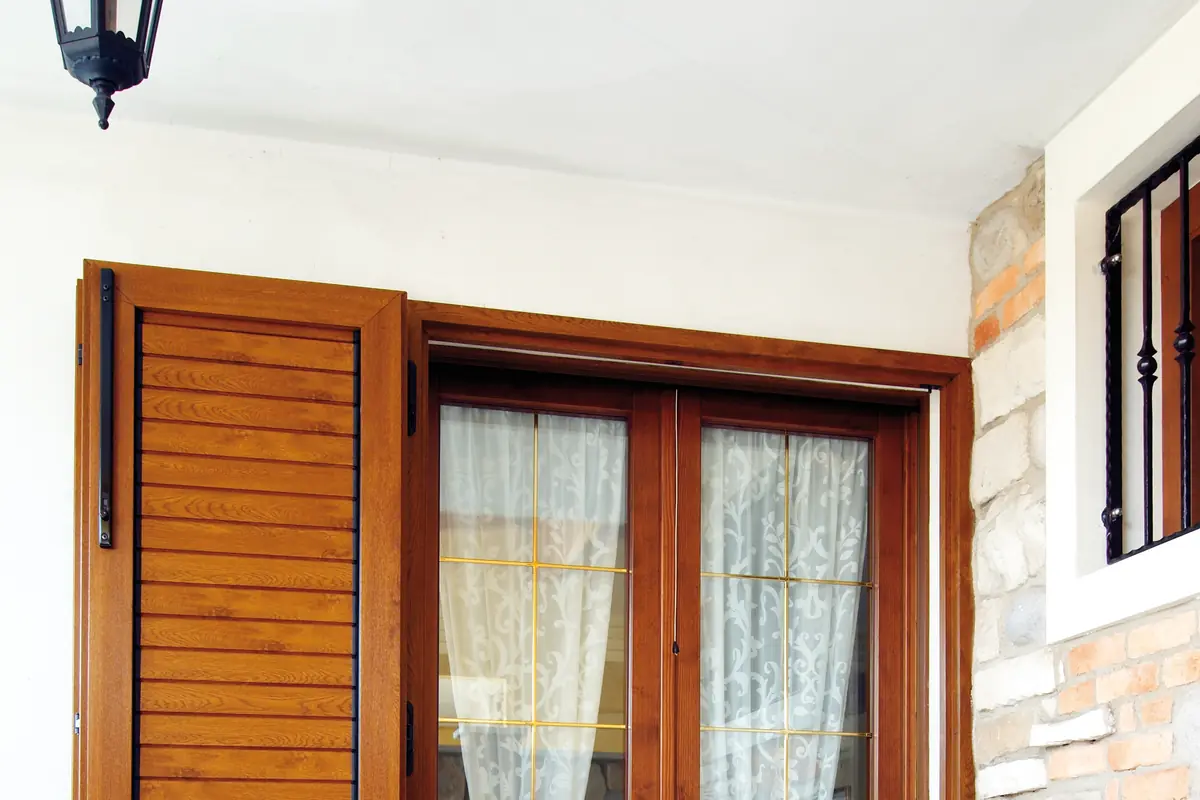
What to check before the autumn
- Clear the drainage slots at the bottom of every frame.
- Clean the seals and check that they are soft and continuous.
- Look at the outside sealant around the frame for cracks or gaps.
- Check that sills slope outwards and have a drip edge.
- On a terrace, clear the drains and check that the floor slopes away from the door.
- Before you leave the home, close every sash with the handle down. Never leave one tilted.
If water appears at the top or side of the opening rather than through the frame, it probably comes from the joint or the façade. Call a professional.
In short
Tu Ventana Costa Blanca, the Benidorm office of Tu Ventana Madrid, makes and fits Kömmerling uPVC windows on the Costa Blanca with triple-barrier sealing between frame and wall. On high floors and exposed façades it suggests a system with a central seal. The installation is covered by the 3-year legal guarantee of conformity.
If your home is empty in the autumn, read about holiday home windows and mould in a closed holiday home.
Water coming in around your windows?
We visit, find where the water enters and tell you whether it needs a repair, new sealing or new windows. Ask for a free quote.
Eduardo answers in English on WhatsApp, 9:00–20:00 Spain time (8:00–19:00 UK time).
Questions about leaking windows
Last reviewed: 26 September 2026
Why do my windows only leak in the autumn storms?
Because that is when rain comes hard and sideways, pushed by wind. Blocked drainage slots, tired seals and poor sealing around the frame only show up then.
Is the leak coming from the window or the wall?
Water at the bottom of the frame points to drainage or seals. Water at the top or sides of the opening usually comes from the joint with the wall or from the façade.
Can I fix a leak by adding silicone?
Rarely for long. Silicone over a foam-filled joint cracks in the sun and can trap water. A lasting fix needs proper sealing with separate barriers.
What are the small slots at the bottom of my window frame?
They are drainage slots. They let out water that enters the frame in wind-driven rain. Keep them clear, especially before September.
Water comes in under my terrace door. Is the door faulty?
Not always. If the terrace does not slope away from the door, water collects at the lowest point. That needs building work, not only a new door.
What is a DANA or gota fría?
DANA is the term Spanish forecasters use for an isolated upper-level low that can bring very heavy rain. Gota fría is the popular name for heavy autumn rain on the Mediterranean.